Introduction
In an increasingly interconnected world, cross-border transactions involving international securities have become a vital aspect of global finance. As companies and investors seek opportunities beyond their domestic markets, understanding the nuances of these transactions is essential for success. This article delves into the complexities of navigating cross-border transactions with international securities, focusing on the implications of security bonds, regulatory requirements, and strategic considerations.
Navigating Cross-Border Transactions with International Securities
When discussing navigating cross-border transactions with international securities, we are referring to the process by which individuals or organizations engage in buying and selling financial instruments—such as stocks, bonds, and derivatives—across national borders. This endeavor poses unique challenges due to varying regulations, currency fluctuations, and differing market practices.
The Importance of Security Bonds in Cross-Border Transactions
Security bonds play a pivotal role in facilitating cross-border investments. They serve as a guarantee that obligations will be met between parties involved in international agreements. Understanding how these instruments operate is crucial for any investor looking to navigate this complex terrain.
What is a Security Bond?
A security bond is essentially a contract that ensures one party will fulfill their obligations to another. In the context of investments, it can act as collateral backing various types of securities transactions. Investors use security bonds to mitigate risks associated with default or non-compliance in international agreements.
Types of Security Bonds
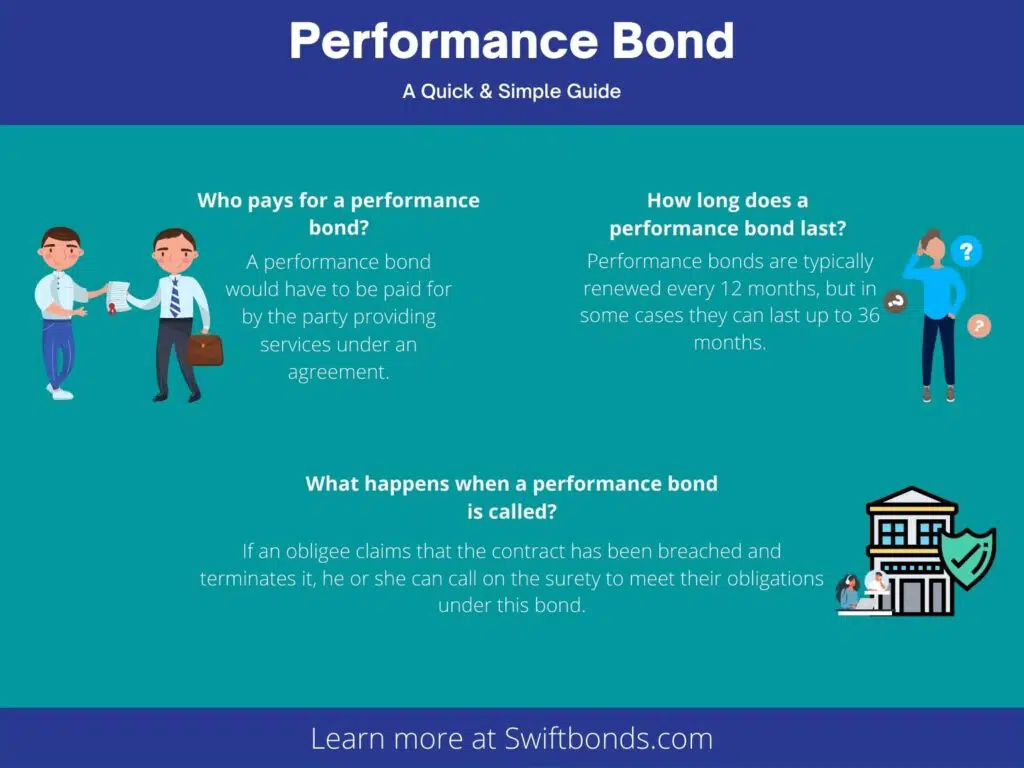
Performance Bonds: These ensure that contractual obligations are fulfilled. Bid Bonds: Used primarily in bidding processes to assure that the winning bidder will undertake the contract. Payment Bonds: Guarantee that subcontractors and suppliers will be paid.Understanding these types can help investors decide which bond best suits their needs when entering into cross-border agreements.
Regulatory Framework Governing Cross-Border Transactions
Navigating through different regulatory environments can be daunting. Each country has its own set of rules governing securities trading, and it's essential benefits of performance bonds to understand these regulations before making any investment decisions.
Key Regulations Impacting International Securities
- Securities Exchange Act (1934): U.S.-based regulation governing secondary trading. Foreign Account Tax Compliance Act (FATCA): Requires foreign financial institutions to report on U.S. account holders. European Market Infrastructure Regulation (EMIR): Covers over-the-counter derivatives within Europe.
Each of these regulations significantly affects how international securities are traded and how security bonds are structured.
How Do Regulations Differ Across Borders?
Regulations can vary widely from one jurisdiction to another:
- Licensing Requirements: Some countries require firms to obtain licenses for trading securities. Disclosure Obligations: Varying rules dictate what information must be disclosed when offering securities internationally. Tax Implications: Investors may face different tax liabilities based on where they reside and where the security is issued.
Understanding these differences can help investors avoid compliance issues that could jeopardize their investments.
Currency Considerations in Cross-Border Transactions
Currency exchange plays a significant role when navigating cross-border transactions. Fluctuations in exchange rates can impact not only profits but also the value of investments held in foreign currencies.
Currency Risk Management Strategies
Investors must implement effective strategies for managing currency risk:
Hedging: Using financial instruments like forward contracts or options to protect against currency fluctuations. Diversification: Spreading investments across multiple currencies can reduce exposure to any single currency's volatility. Monitoring Exchange Rates: Keeping an eye on economic indicators that influence currency values helps make informed decisions.Tax Implications for International Securities Transactions
Cross-border transactions often come with complex tax implications that vary by jurisdiction. Understanding these can save investors from unexpected liabilities.
Double Taxation Agreements (DTAs)
Many countries enter into DTAs to prevent double taxation on income earned abroad:
- These agreements allow taxpayers to claim relief from taxes paid in other jurisdictions. Understanding your home country's DTA with foreign nations can significantly optimize your tax situation during cross-border transactions involving international securities.
Legal Considerations in Cross-Border Securities Transactions
Engaging in cross-border transactions requires careful legal consideration:
Jurisdictional Issues
Which laws apply? Jurisdictional matters determine where disputes may be resolved:
- Contracts should clearly outline applicable law and dispute resolution mechanisms. Seeking legal advice before entering into contracts ensures compliance with local laws and minimizes risk exposure.
Intellectual Property Rights
Investors should also consider how intellectual property rights are treated across borders—especially when technology or proprietary information is involved in securities negotiations:
Different countries have varying standards for protecting intellectual property rights. Understand how IP laws may impact the valuation or operation of your investments across borders.Strategic Planning for Cross-Border Investments
Having a solid strategic plan is paramount when navigating cross-border transactions involving international securities:
Investment Goals
What are your objectives? Establishing clear investment goals helps inform decision-making throughout the process:
Are you seeking long-term growth or short-term gains? What level of risk are you willing to accept?By answering these questions upfront, investors can create tailored strategies suited for their unique circumstances.
Building Relationships with Local Partners
Developing relationships with local financial institutions or investment firms can provide valuable insights into regional markets:
- Local partners understand nuances that may not be apparent from abroad. They can also assist in navigating bureaucratic hurdles related to compliance and regulations.
Technological Innovations Impacting Cross-Border Transactions
The rise of fintech has transformed how cross-border transactions occur:
Blockchain Technology
Blockchain offers unprecedented transparency and efficiency for international trades:
- Smart contracts powered by blockchain automatically execute terms once conditions are met—reducing reliance on intermediaries. Cryptocurrencies enable faster and cheaper transactions across borders without traditional banking constraints.
Embracing these technologies may give investors an edge while navigating complex cross-border landscapes.
Risks Associated with Cross-Border Investments
While there are significant opportunities within international securities markets, several risks must be managed effectively:
Political Risks
Political instability can dramatically affect investment returns:
Changes in government policies may lead to sudden shifts affecting capital flows or taxation systems. Investors should assess political climates before entering new markets—staying aware of potential risks tied to governance structures is crucial for informed decision-making.Market Volatility
Global events such as economic downturns or crises influence market dynamics worldwide:
- Stay updated on geopolitical events impacting both local economies and global trends—this knowledge provides context around current market conditions affecting your investments across borders.
Frequently Asked Questions (FAQs)
1. What does "cross-border transaction" mean?
A cross-border transaction refers to any business deal conducted between parties located in different countries, involving goods, services, or financial instruments like securities.
2. How do I manage currency risk during international investments?
You can utilize hedging techniques such as forward contracts or options while diversifying your portfolio across multiple currencies aids risk reduction effectively!
3. What types of security bonds exist?
Common types include performance bonds ensuring contractual obligations are met, bid bonds used during bidding processes, and payment bonds guaranteeing subcontractor payments!
4. What regulatory factors must I consider?
Understanding licensing requirements, disclosure obligations concerning offered securities abroad, plus tax implications based on residency status helps ensure compliance!
5. Why are Double Taxation Agreements important?
DTAs prevent taxpayers from being taxed twice on the same income earned internationally! Knowing which DTAs apply allows you optimal tax relief!
6. How does technology affect cross-border transactions today?
Technological advancements like blockchain streamline processes by enhancing transparency through smart contracts while cryptocurrencies facilitate faster transfers without traditional banking constraints!
Conclusion
Navigating cross-border transactions with international securities involves an intricate web of legal considerations, regulatory frameworks, market dynamics, cultural nuances—and yes—the critical role played by security bonds! By embracing technology while establishing clear goals coupled with effective risk management strategies—you'll set yourself up for success amidst this exciting landscape! Whether you're an investor seeking new horizons or a company looking at global expansion opportunities—the journey begins here!