Introduction
In the realm of construction, the connection between bid preparation and surety bonds is a crucial aspect often overlooked by many contractors. Understanding this relationship can significantly enhance a contractor's ability to secure projects, ensure financial security, and foster trust with clients. This article delves deep into the nuances of bid preparation and how it interlinks with surety bonds, shedding light on best practices for contractors aiming to navigate this intricate landscape.
Understanding Surety Bonds
What Are Surety Bonds?
Surety bonds are legally binding agreements that guarantee the fulfillment of contractual obligations. They involve three parties: the principal (the contractor), the obligee (the project owner or developer), and the surety (the bonding company). The surety provides a safety net for project owners, ensuring that if a contractor fails to meet their obligations, the surety will cover any losses up to the bond amount.
Types of Surety Bonds in Construction
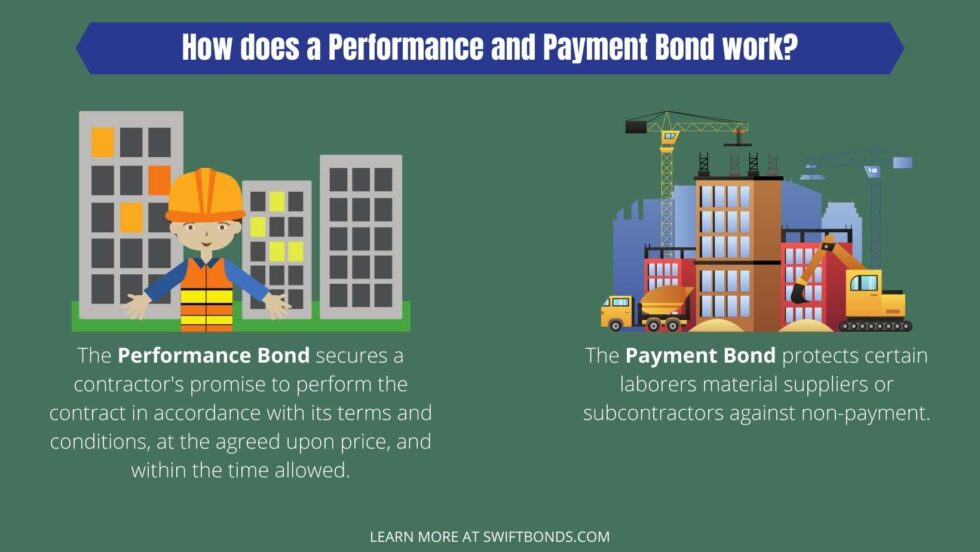
Bid Bonds: These are submitted with bids and protect project owners from losing time and money if a winning bidder backs out. Performance Bonds: These ensure that a contractor completes a project according to contract specifications. Payment Bonds: These guarantee that subcontractors and suppliers are paid for their work.The Importance of Surety Bonds in Construction Projects
Surety bonds serve various purposes in construction projects:
- Risk Mitigation: They protect project owners from financial loss due to contractor default. Credibility: Having a surety bond enhances a contractor's reputation; it signals reliability. Legal Compliance: Many public projects require bonding as part of legal compliance.
Bonding for Construction Projects
Why Is Bonding Necessary?
Bonding for construction projects is essential because it offers both security and assurance. It protects not just the client but also ensures contractors adhere to regulations and deliver quality work. Without such bonds, contractors may find it challenging to win bids or gain trust from potential clients.
The Process of Obtaining a Surety Bond
Application: Contractors must fill out an application detailing their business structure, financial health, experience, and references. Underwriting Review: The surety conducts a thorough evaluation of the applicant’s creditworthiness and experience. Premium Payment: Once approved, contractors pay a premium based on bond amounts and risk factors. Issuance: The bond is issued once all criteria are satisfactorily met.Exploring the Connection Between Bid Preparation and Surety Bonds
How Does Bid Preparation Influence Bonding?
Bid preparation is more than merely calculating costs; it encompasses creating a well-thought-out proposal that reflects professionalism, credibility, and preparedness. When preparing bids:
Contractors must demonstrate their capability through detailed plans and timelines. A well-prepared bid can ease the bonding process; underwriters prefer applicants who show organization and foresight. Proper documentation during bid prep can streamline securing performance bonds later on.Key Elements in Bid Preparation Leading to Successful Bonding
- Detailed Cost Estimates Project Timelines Clear Scope of Work Past Project References Financial Statements
By incorporating these elements into their bids, contractors not only enhance their chances of winning but also simplify the bonding process.
Best Practices for Effective Bid Preparation
Research Your Market Thoroughly
Understanding competitor pricing, local regulations, and market trends helps create competitive yet realistic bids.
Develop Robust Project Plans
A comprehensive project plan should include timelines, milestones, resource allocation, and contingencies—this showcases professionalism.
Utilize Technology in Bid Preparation
Leveraging software tools can streamline calculations, document management, and collaboration between team members.
The Role of Financial Health in Surety Bond Approval
How Financials Impact Bonding Decisions?
A contractor's financial stability plays an integral role in securing sureties:
- Strong balance sheets indicate low risk to underwriters. Poor credit scores or cash flow issues can lead to denial of bond applications.
Preparing Financial Statements for Bond Applications
Ensure financial statements are accurate:
Balance Sheets Income Statements Cash Flow StatementsThese documents offer insights into your operational health—critical for securing bonds.
Common Challenges in Bid Preparation Affecting Surety Bonds
Inaccurate Cost Estimations
Underestimating project costs can lead to financial strain during project execution—putting bond security at risk.
Lack of Documentation & Transparency
Insufficient documentation can raise red flags during underwriting processes. Ensuring all necessary paperwork is complete allows smoother transitions from bid submission to bonding approval.
FAQ Section
1. What happens if I fail to fulfill my contractual obligations after obtaining a performance bond?
If you fail to fulfill your obligations, your surety will step in to cover damages up to the bond amount while pursuing reimbursement from you.
2. How do I know which type of surety bond I need?
Consult with industry professionals or your insurance agent who specializes in construction bonds; they can guide you based on your project's specifics.
3. Can I get bonded without prior experience?
Yes! However, you might face higher premiums or stricter conditions without proven experience—showcasing strong financials becomes even more critical in such cases.
4. What information do I need when applying for a surety bond?
You'll typically need business information including ownership details, personal finances of owners/key players, business history/experience documents along with project details you're bidding on.
5. How long does it take to obtain a surety bond?
The timing varies depending on complexity but usually ranges from one day (for simple applications) up to several weeks (for larger projects requiring intensive review).
6. Can I get multiple bonds at once?
Absolutely! As long as you meet each individual issuer’s requirements regarding capacity limits/proofs—they’ll assess based on overall risk profile rather than just one job alone!
Conclusion
In summary, exploring the connection between bid preparation and surety bonds unveils critical insights that every contractor should heed when navigating their careers within construction sectors globally! A solid understanding not only aids them in winning contracts but also fosters enduring relationships built upon trust with clients—and ultimately secures both parties' interests through proper bonding measures throughout!
To achieve optimal success as an engaged player within this industry requires diligence across all fronts—from initial bidding strategies right through ensuring robust compliance via effective use & acquisition within relevant fields like bonding for construction surety bonds for contractors projects!