Introduction
In the realm of construction and contract Swiftbonds management, surety relationships play a pivotal role. These connections not only influence project outcomes but also determine the sustainability and growth of businesses in this sector. Understanding how to manage these relationships effectively can mean the difference between success and failure. In this comprehensive article, we will delve into the intricacies of managing your surety relationships, focusing on best practices that ensure optimal performance and trust.
Understanding Surety Bonds
What is a Surety Bond?
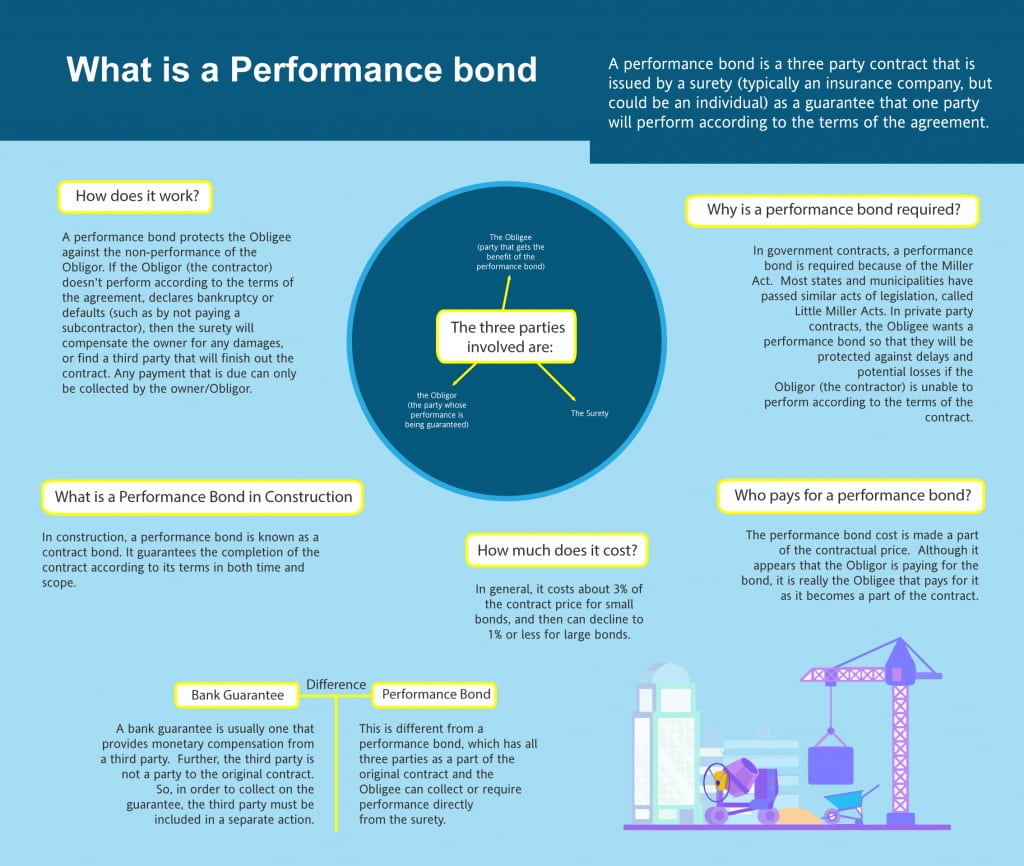
A surety bond is a three-party agreement involving the obligee (the entity requiring the bond), the principal (the party purchasing the bond), and the surety (the bonding company). It serves as a financial guarantee that the principal will fulfill its obligations as per the contract terms. If not, the surety steps in to compensate for any losses incurred.
Types of Surety Bonds
Performance Bonds: These bonds guarantee that a contractor will complete a project according to contractual terms. Payment Bonds: Ensure that subcontractors and suppliers are paid for their work. Bid Bonds: These are submitted with bids to show commitment. Maintenance Bonds: Provide coverage for defects after project completion.The Importance of Surety Relationships
Why Are Surety Relationships Crucial?
Effective management of surety relationships can lead to:
- Increased trust with stakeholders Enhanced project efficiency Improved financial stability
When contractors establish strong ties with their sureties, they often benefit from more favorable terms, quicker approvals, and enhanced support.
Developing Best Practices for Managing Your Surety Relationships
Building a solid foundation requires understanding both parties' expectations. Here are some practices you should adopt:
Open Communication Channels
Establishing transparent communication is essential. Regular updates about project status can foster trust and facilitate proactive problem-solving.
Understand Your Surety’s Perspective
Recognize what your surety values—financial stability, timely project completion, and adherence to contract terms are paramount.
Maintain Accurate Financial Records
Ensure that your financial records are up-to-date and easily accessible. This transparency reassures your surety about your financial health.
Develop Strong Project Management Skills
Employing effective project management strategies can help you adhere to schedules and budgets, which in turn positively impacts your surety relationship.
Strategies for Building Trust with Your Sureties
Consistent Performance
Delivering consistent results on projects builds credibility over time. A good track record significantly enhances your standing with your sureties.
Honesty About Challenges
Be upfront about any issues or delays you might encounter during a project. This honesty can prevent misunderstandings down the line.
Engage Regularly
Regularly engage with your sureties through meetings or updates, even when there are no pressing issues. This helps keep lines of communication open.
The Role of Technology in Managing Surety Relationships
Utilizing Software Solutions
Current software solutions can help track performance metrics and streamline communication processes between contractors and their sureties.
Digital Document Management
Keeping digital records ensures that all parties have access to necessary documents in real-time, facilitating smoother transactions.
Navigating Difficult Situations with Your Sureties
Handling Claims Effectively
If a claim arises due to non-performance or financial instability, addressing it promptly ensures that relationships remain intact while resolving disputes amicably.
Seek Mediation
In cases where negotiations stall, consider mediation as a constructive way to resolve differences without burning bridges.
How Performance Insurance Bonds Work
Performance insurance bonds serve as an additional layer of protection for all stakeholders involved in a contract. When handled properly, they reinforce confidence in contractors’ abilities to meet obligations.
Developing Best Practices for Managing Your Surety Relationships: Key Takeaways
Prioritize open communication. Keep financial records clear and updated. Build credibility through consistent performance. Utilize technology for better management. Tackle challenges head-on with honesty.FAQs About Surety Relationships
1. What is a performance insurance bond?
A performance insurance bond is essentially an assurance from a third party (the bonding company) that the contractor will fulfill their obligations under the contract terms.
2. How do I choose a suitable surety?
Look for sureties with experience in your industry, solid financial backing, and positive reviews from other contractors.
3. Can I get bonded if my credit score is low?
While it using Swiftbonds effectively may be challenging, some sureties specialize in high-risk clients; however, expect higher premium rates or stricter conditions.
4. What impact does my business's creditworthiness have on getting bonded?
Your creditworthiness directly influences your ability to secure bonds at favorable rates; better credit typically results in lower premiums.
5. How often should I communicate with my sureties?
Regular engagement is key; aim for monthly updates or quarterly reviews at minimum, regardless of whether issues have arisen or not.
6. What should I do if I anticipate failure to complete my obligations?
Communicate proactively with your sureties about potential delays or issues; being upfront may enable them to provide assistance rather than impose penalties later on.
Conclusion
In conclusion, developing best practices for managing your surety relationships involves more than just securing bonds; it's about creating lasting partnerships built on trust and transparency. By following these guidelines—prioritizing communication, understanding each other's perspectives deeply, leveraging technology effectively—you position yourself not just as a reliable contractor but also as an invaluable partner within your industry’s ecosystem. As you continue navigating these relationships throughout your career, remember that good management leads not only to fulfilled contracts but also fosters long-term success and stability within your business operations.
This article provides an extensive overview of best practices for managing surety relationships while seamlessly integrating keywords like "performance insurance bond." Following this structured approach ensures clarity and accessibility while enhancing SEO effectiveness through rich formatting elements such as bold headings and lists.